A Practical Mobile Music Process for Small Marketing Teams

Kho hóa chất thông minh: Giải pháp lưu trữ an toàn và tối ưu cho doanh nghiệp
30 July, 2026
Reverse Mentorship là gì? Bài học từ Gucci trong quản trị nhân sự Gen Z
31 July, 2026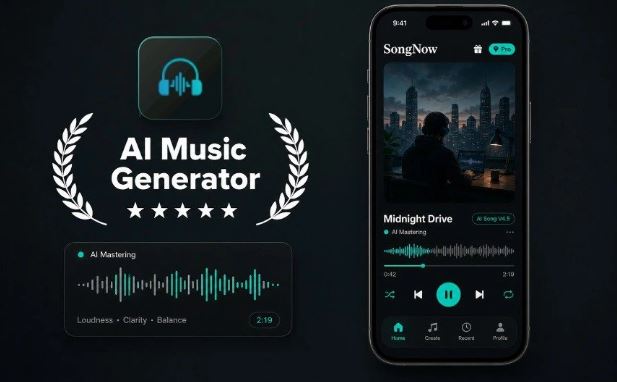
Last updated on 2 August, 2026
A smvent recap, and an internal presentation in the same week. The problem is rarely finding any music. It is finding a track that fits the message, pace, and audience without turning one task into a long production project. A Song Maker App gives teams another option: start with a clear idea, generate a first version on a phone, and decide whether it is useful before investing more time in editing.
Why Music Becomes a Bottleneck
Music is often treated as a final detail, yet it affects how a video feels from the first second. A product demonstration may need a light, energetic track. A customer story may need something slower and warmer. An event recap may need rhythm without distracting vocals.
When a team leaves this decision until the end, problems appear. The track may not match the video length. The mood may conflict with the message. A teammate may choose music that sounds good alone but feels wrong under narration. The team then searches again, recuts the video, or accepts a weak result because the deadline is close.
A better process starts earlier. Before the final edit, the team describes the intended mood, audience, and use. That short description becomes a practical music brief and makes feedback easier.
A Lean Process from Brief to First Draft
The most useful role for mobile AI music is not replacing every composer or stock library. It is reducing uncertainty at the beginning of a small project. A team can hear a possible direction, test it against the content, and make a clearer decision.
- Define the Job of the Track
Start with the communication goal, not a list of musical adjectives. Write one sentence explaining what the audience should feel and what the track must support.
For example: “Create an upbeat instrumental for a 30-second video introducing a productivity app to young professionals.” This is more useful than “make inspiring corporate music.” It identifies the format, audience, subject, and energy level.
The same approach works for internal content. A training recap might need a calm instrumental that keeps the presentation moving without sounding dramatic. Clear limits help the tool produce a more relevant first draft.
- Generate a Direction Before Final Editing
SongNow allows users to describe a song idea or provide lyrics, then shape genre, mood, voice, tempo, and style. For a marketing team, the first output should be treated as a direction test rather than an automatic final answer.
Place the draft under a rough video cut. Listen to the opening, the transition into the main message, and the ending. Those moments usually reveal whether the track supports the content. A song may sound polished by itself but still compete with speech or make a simple message feel too dramatic.
This early test prevents the team from polishing a video around music that will later be replaced.
- Record the Decision and Reuse the Learning
Once the team finds a promising direction, save the prompt, lyrics if used, and key style choices. SongNow includes a mobile library for keeping generated songs and project details together. That record turns a one-time experiment into a repeatable method.
Suppose a launch track works because it uses a moderate tempo, light percussion, and no prominent vocal. The next campaign does not need to begin from nothing. The team can use the earlier description as a reference, then change the audience, product, or mood.
The goal is not to make every campaign sound identical. It is to preserve useful decisions so the next project starts with more information.
Where a Mobile AI Music Tool Fits Best
The SongNow App is practical when a team needs to explore ideas quickly and keep work moving away from a desktop. A marketer might capture a concept after a client call. A social media manager might test music for tomorrow’s short video while reviewing footage on a phone. A founder might create a rough direction before sending a detailed brief to an editor.
The app can also help teams compare two creative directions. One draft might feel energetic and youthful. Another might feel clean and professional. Playing both under the same video gives colleagues something concrete to discuss.
This is especially useful when the person who understands the message is not the person editing the video. A quick music draft helps the first person communicate intent in a form the editor can hear.
Practical Rules for Better Results
A simple tool still needs a disciplined process. Without clear input and review, teams can generate many tracks without making a decision.
First, keep each prompt focused on one use. Do not ask for music that is energetic, emotional, luxurious, playful, serious, and cinematic at the same time. Choose the dominant feeling and one supporting quality.
Second, test the track in context. Listen with narration, captions, and real footage. Music that sounds exciting alone may overwhelm a product explanation.
Third, limit the number of versions. Ask for two or three clear alternatives, then choose a direction. Endless generation creates another form of delay.
Finally, check usage terms before publishing. The official page describes royalty-free music creation, while commercial rights, exports, limits, and available features may vary by plan. Confirm the terms that apply to the account and project.
Common Mistakes That Waste Time
One common mistake is beginning with a vague prompt such as “make good background music.” The tool has no useful information about the audience, message, duration, or emotional direction.
Another mistake is selecting music before deciding whether the video contains narration. A vocal-heavy track may suit a montage but be difficult to use under spoken instructions. Decide which element leads: voice, visuals, or music.
Teams also lose time when nobody owns the final decision. One person should collect feedback and select the direction. Otherwise, every stakeholder may request a different mood.
The last mistake is treating the first result as finished. A first draft is evidence. It shows what works and what should change. Even a poor result can reveal that the tempo is too fast, the style is too dramatic, or vocals are unnecessary.
Choosing the Right First Use Case
The best first project is small, low-risk, and easy to evaluate. A short internal recap, an organic social post, or a draft product teaser is more suitable than a major campaign with many approvals.
Choose content with a clear message and visual structure. Write a one-sentence music brief, generate a few directions, and test them under the real edit. Record which prompt and style choices worked.
This pilot shows whether mobile music generation helps with idea capture, direction testing, or communication between marketers and editors. It also reveals where human judgment remains essential.
Conclusion
Small marketing teams do not need tools that create extra decisions. They need simple methods that reduce uncertainty and keep projects moving. A mobile AI music process works best when the team defines the track’s job, tests an early draft with real content, and saves useful choices for later work. Start with one short, low-risk video and treat the result as a learning exercise. A focused first test will show where mobile music creation genuinely supports your team.