Train Supervisors for Difficult Conversations With Visual Role-Play Cards

Lựa chọn kiến trúc hệ thống phần mềm tập đoàn đa ngành
3 November, 2026
Quà tặng doanh nghiệp dịp Tết – Chọn rượu cao cấp thế nào?
8 November, 2026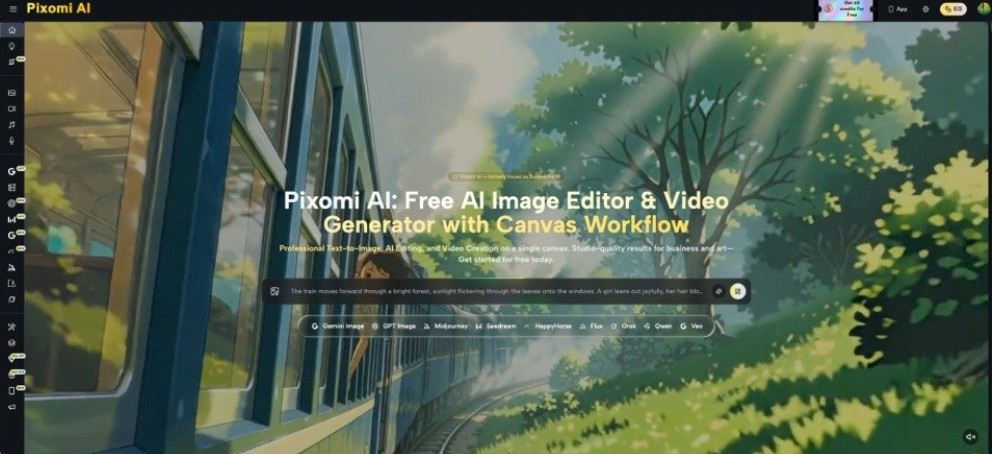
Last updated on 10 November, 2026
A new supervisor notices that one team member keeps missing handover deadlines. The supervisor knows a conversation is necessary, yet the usual training slide says only, “Give timely feedback.” That advice offers little help when the employee becomes defensive or reveals a problem nobody expected. A better exercise lets managers practice their first words, see how a conversation changes, and choose a useful response. Visual role-play cards make those moments easier to discuss without exposing real employees. Teams can create fictional workplace illustrations using tools such as Banana Pro AI, now called Pixomi AI, which supports image generation from text and editing with reference pictures. The value of the exercise comes from sound management questions, not visual novelty. Use the images to anchor a specific situation, then make participants do the talking. A short session can reveal habits that an ordinary presentation leaves hidden.
Select a Conversation Your Managers Actually Face
Avoid beginning with a broad topic like “leadership communication.” Ask supervisors which moments they postpone. Common examples include missed deadlines, repeated interruptions, unclear instructions, and uneven shift coverage. Select a situation with a decision the supervisor can realistically influence.
For illustration, imagine a small customer-support team. A handover note has twice arrived late, leaving the next shift without essential information. The supervisor must discuss the pattern while learning whether the issue involves workload, misunderstanding, or another obstacle. This fictional scenario protects individual privacy and keeps the discussion focused on observable behavior and decisions.
Write three facts on the facilitator’s sheet: what happened, its effect on work, and what remains unknown. Do not invent the employee’s motives. Participants should discover information by asking questions, as they would in a real conversation. Give each person a role and a clear limit: the manager may discuss handovers, while the employee may explain the pressures surrounding them.
Write Prompts With Useful Workplace Detail
A prompt should support the conversation without deciding what the characters feel. For the first card, try: “Realistic editorial illustration of a private workplace discussion, fictional supervisor and employee, modest office meeting table, attentive neutral expressions, natural daylight, no text, no logos.” For later cards, describe changes in posture while preserving clothing, room layout, and camera angle.
Pixomi’s image workspace accepts existing images for image-to-image tasks. Its creative materials also mention Nano Banana Pro. You can use an initial image as a reference while requesting changes, then inspect every variation for unwanted shifts in characters or setting. Do not promise that identities or layouts will remain perfect after generation.
Keep the pictures culturally appropriate for the workforce you are training. An office team, a warehouse shift, and a call center have different surroundings. Ask local supervisors whether the scenes look credible and remove details that may distract participants or imply a workplace policy that does not exist.

Write Prompts With Useful Workplace Detail
Build Cards Around Three Decision Points
Each card should present a recognizable scene and a question. Avoid drawing an entire conversation as a comic strip; supervisors need room to choose their own words. Use fictional characters and ordinary workplace details rather than images of actual staff members.
Start With an Observable Fact
The first card shows a supervisor and an employee seated at a small meeting table. Neither looks angry, and there is no written dialogue in the picture. The facilitator reads: “The handover summary was submitted after the next shift started on Tuesday and Thursday.”
Ask participants to form an opening sentence. A strong response names the behavior and its effect: “When the note arrives after the shift begins, the next team lacks the case details.” It then invites explanation. Stop anyone who starts with “You never take this seriously,” because that claims to know the employee’s attitude without evidence.
Respond When the Employee Pushes Back
The second card shows the same people, but the employee sits with folded arms. The facilitator offers a possible response: “I was covering extra requests, and the template took longer than expected.” Supervisors must decide what to ask next.
They might check which requests were added and whether the template requires too many fields. A manager who immediately repeats the accusation misses useful information. The exercise should reward curiosity without abandoning accountability. The missed handovers still matter, and the team needs an agreed way to avoid repeating them.
Close With an Action Both People Understand
In the final scene, the supervisor points to a simple paper checklist while the employee considers it. Participants propose a specific next step: an earlier cutoff, a shorter handover template, or a backup colleague during peak hours. The facilitator asks who owns the action and when it will be reviewed.
Leave the outcome open. The team should judge whether the proposal is realistic given staffing and policy. The last card is successful when supervisors can describe the agreement in one sentence and explain how they would know it worked.
Run a Fifteen-Minute Practice Session
Use two participants and one observer per group. Give the employee a short private role note, including one reasonable concern that the manager does not initially know. Display Card 1 and allow two minutes for the manager to open the conversation. Move to Card 2 for the response, then Card 3 for the agreement.
The observer should record behaviors, not personality judgments. Did the manager describe a specific incident? Ask an open question? Check understanding before suggesting an action? After the role-play, the employee explains which question made it easier to discuss the problem. Then rotate roles if time allows.
Keep facilitation lightweight. A long lecture after every card removes the benefit of practice and breaks participants’ concentration. Instead, replay one difficult moment with a different opening line. If the team works remotely, share the images individually and use breakout groups for the conversation. The method works because it makes people speak, listen, and revise in real time.
Measure a Behavior, Not a Smile on the Feedback Form
At the end of the session, ask each supervisor to write a sentence they will try in their next feedback conversation. The trainer can also keep a short observation rubric covering facts, listening, agreement, and follow-up. This creates a practical record of what participants practiced.
A few weeks later, invite managers to report whether they used the approach and which part was hardest. Do not collect private employee details in the training review. Instead, ask for anonymized examples: “I asked about workload before suggesting a deadline.” Compare those reflections with the initial exercise to choose the next training need.
If most participants struggled to agree on a next step, design a later card about follow-up conversations. If they struggled with the opening, refine Card 1. Use the evidence from the session to improve one focused exercise rather than expanding it into an oversized management course.
Conclusion
Supervisors develop confidence through practice with situations that resemble their own work. Three visual role-play cards can turn vague advice about giving feedback into a conversation with decisions, consequences, and an achievable agreement. Begin with an observable workplace problem, keep fictional characters and scenes consistent, and avoid writing emotions into every illustration. Give participants a chance to test their words, listen to a response, and revise. Then follow up on one specific behavior instead of relying on general training satisfaction. The materials can stay simple; the discussion should do the difficult work. Facilitators should leave space for more than one reasonable response, provided each remains consistent with workplace policy. At your next management session, replace one presentation slide with a scenario people can actually rehearse.